Learn Portrait Drawing From Foundations to Professional Work
Build real drawing skills through structured practice. Work with experienced instructors who guide you from basic forms to complex portraits. Choose group sessions for collaborative learning or individual lessons for focused attention.
Start LearningLearning Adapted to Your Experience
We assess your current skills before starting. Your program adjusts based on what you already know and what you need to learn next. This approach means you spend time on techniques that actually challenge you, not repeating what you can already do.
Starting Point
You're new to drawing or returning after time away. We begin with how to see proportions and translate three-dimensional forms onto paper.
- Understanding facial structure and proportions
- Basic shading and value control
- Line quality and mark-making
- Observational drawing fundamentals
- Working with graphite and charcoal
Building Skills
You can draw recognizable faces but want more accuracy and expression. We focus on refinement and expanding your technical range.
- Advanced proportion and anatomy
- Capturing likeness and character
- Complex lighting scenarios
- Different media techniques
- Working from photo reference
Professional Development
You create competent portraits but need direction for professional work. We address specific technical challenges and portfolio development.
- Personal style development
- Commission-ready techniques
- Multiple media mastery
- Fast sketching and studies
- Professional presentation
What You'll Actually Gain
Technical Accuracy
Draw faces that look like the person you're observing. Understand why proportions work the way they do so you can adjust them intentionally.
Consistent Practice Framework
Regular sessions with structured feedback keep you progressing. You'll know what to practice between lessons and why it matters.
Portfolio Development
Create finished pieces that demonstrate your capabilities. Learn which work to show for different opportunities and how to present it.
Professional Context
Understand how portrait drawing works as a service. Learn about commissions, pricing, client communication, and realistic career paths.
How Pricing Works
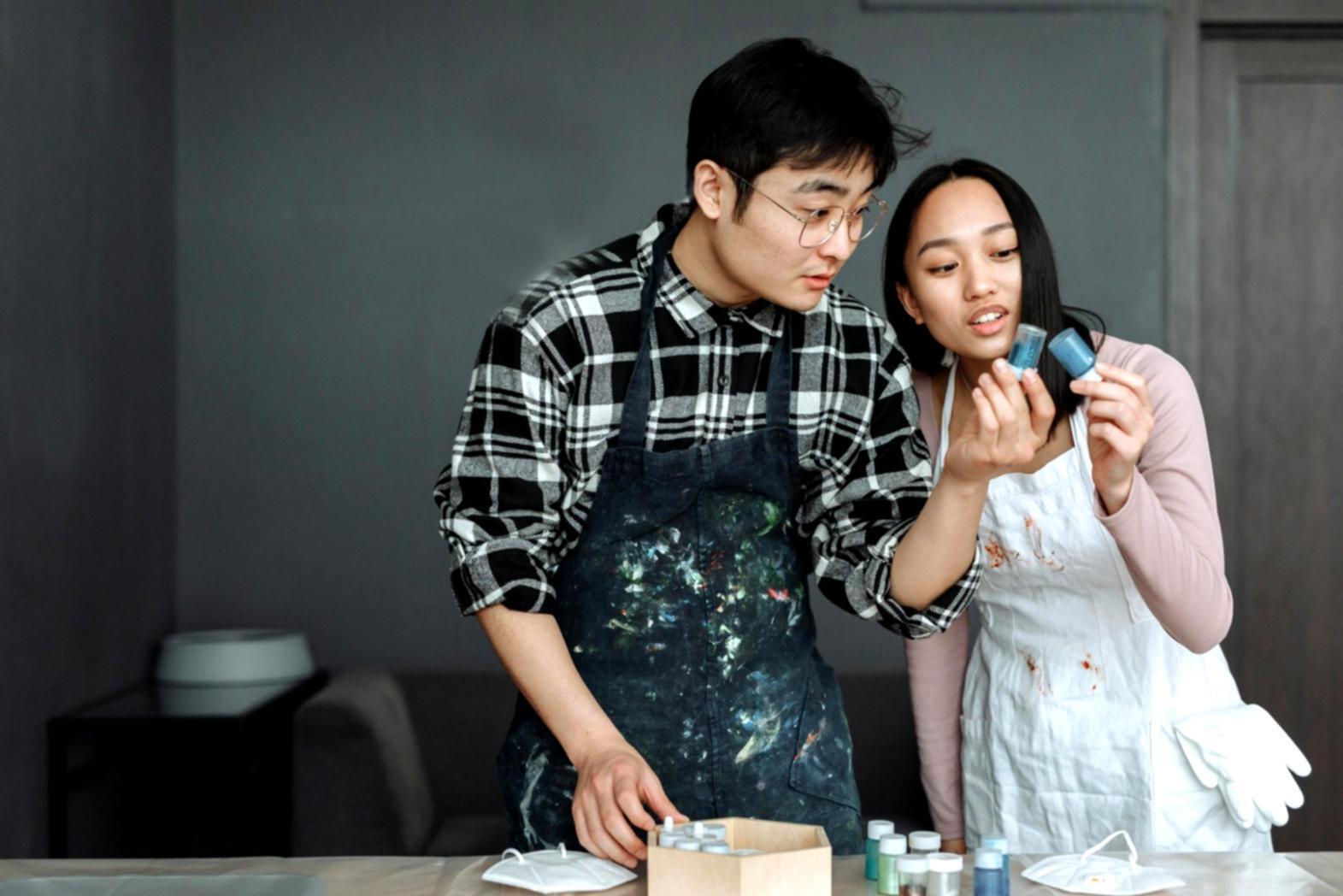
We offer two formats because different people learn better in different environments. Group sessions provide peer learning and observation of others' work. Individual lessons offer focused attention on your specific challenges. Both use the same curriculum and instruction quality. The price difference reflects the instructor's time allocation, not the value of what you learn.
Collaborative Learning
Two-hour sessions with 4-6 students. You learn from watching others work through problems and receive feedback in context.
- Structured curriculum progression
- Peer critique and discussion
- Weekly schedule consistency
- Shared reference materials
- Group project opportunities
Focused Instruction
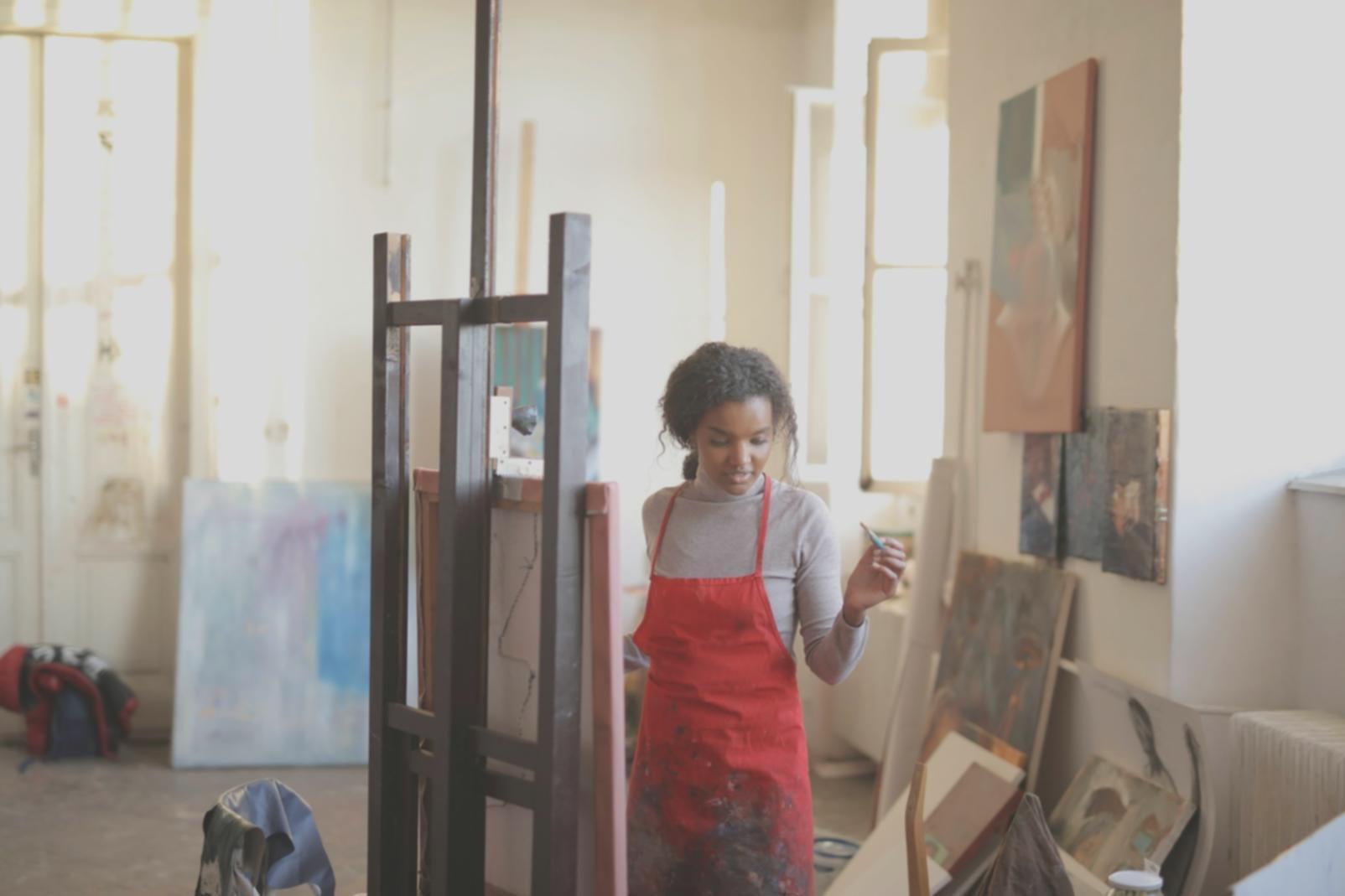
One-on-one instruction tailored to your specific goals. Full attention on your work with immediate feedback on every mark.
- Customized lesson planning
- Flexible scheduling options
- Targeted skill development
- Portfolio review and guidance
- Intensive problem-solving
Why This Structure
Group sessions cost less because one instructor guides multiple students simultaneously. You still get feedback and demonstration, but you share the instructor's time. This format works well when you're building foundational skills and benefit from seeing common problems solved.
Individual lessons cost more because you have exclusive access to an instructor's expertise. Every minute addresses your specific needs. This becomes valuable when you're working on particular challenges or developing professional-level work.
Many students start with groups to build basics, then add individual sessions when they hit specific obstacles or prepare portfolios. You can switch between formats as your needs change.
Where This Takes You
Portrait Commissions
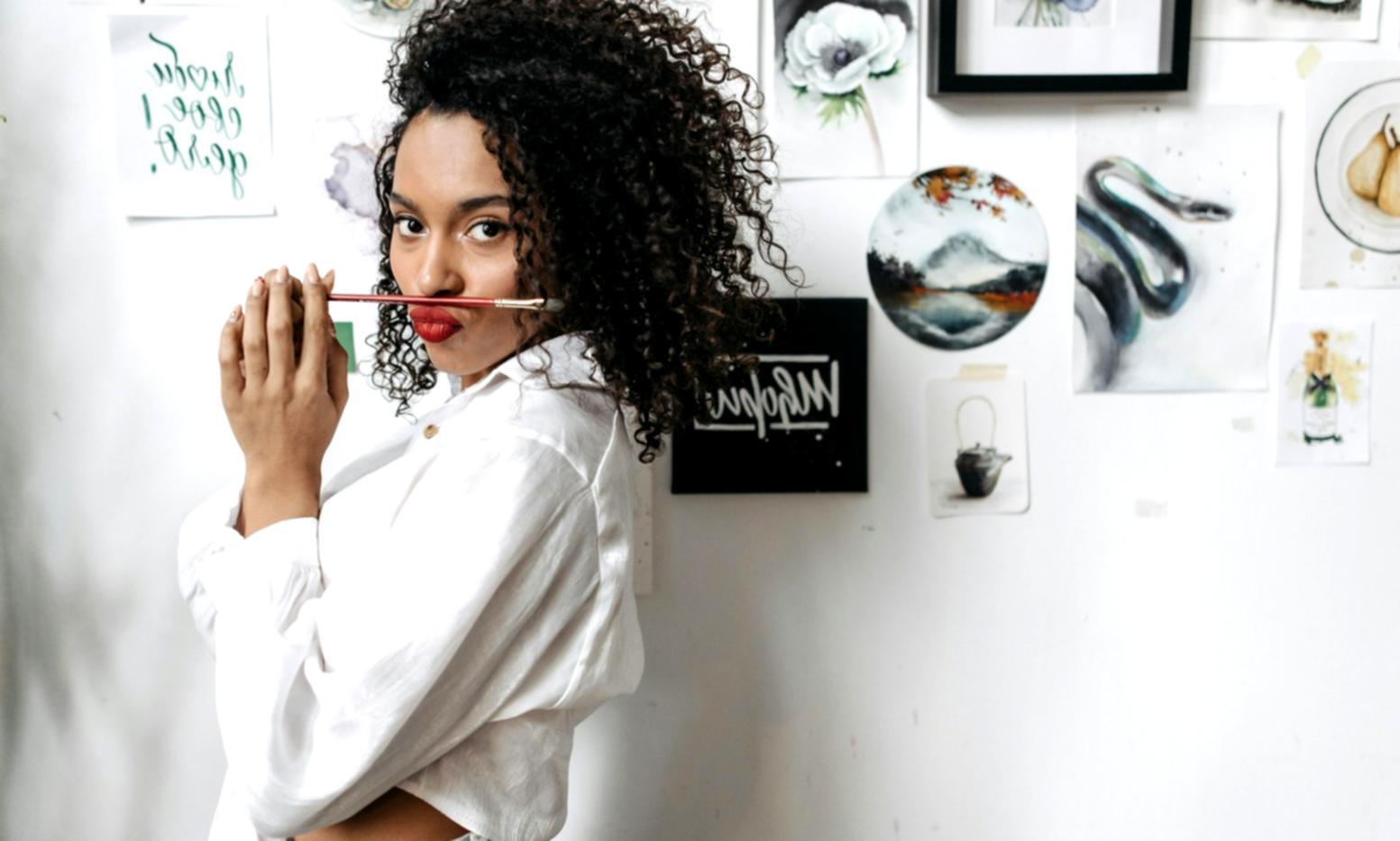
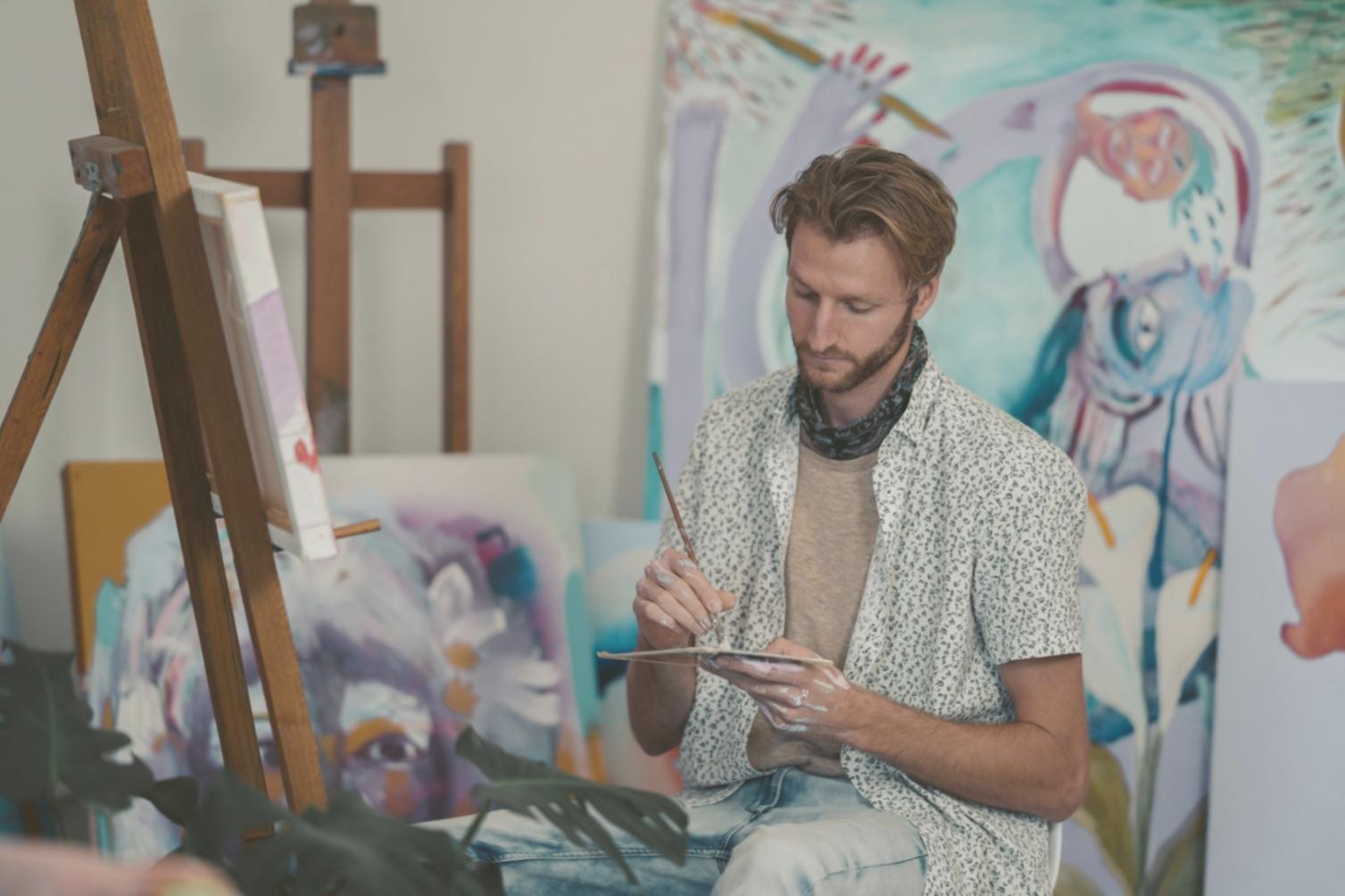
Create portraits for clients who want personal artwork or gifts. You'll work from photographs or live sittings, delivering finished pieces in various media. This requires reliable technique and clear communication about timelines and revisions.
Event Portraiture
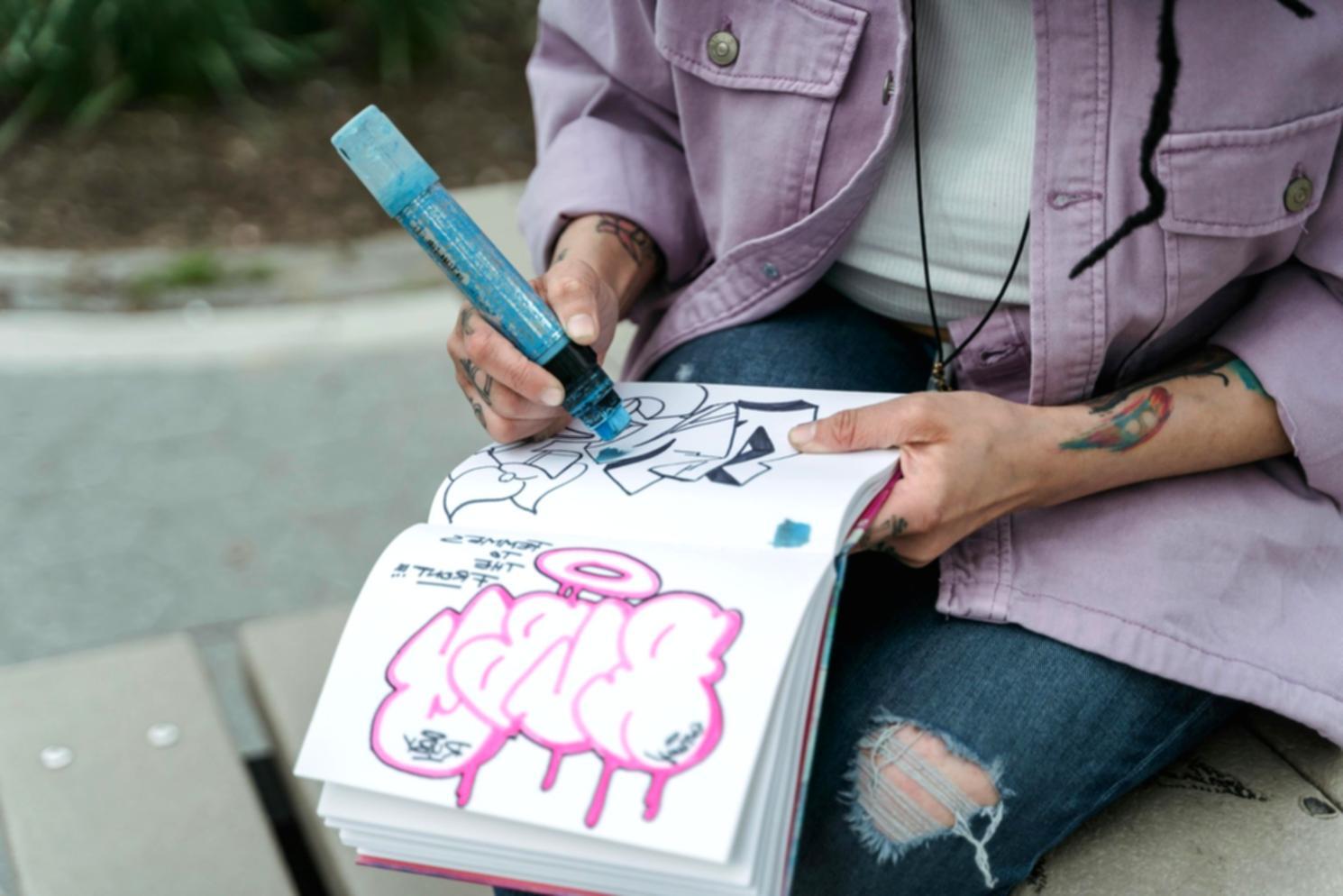
Draw quick portraits at weddings, corporate events, or parties. Speed and consistency matter more than finished detail. You typically complete 10-15 minute sketches while maintaining recognizable likenesses.
Teaching Positions
Instruct drawing classes at art schools, community centers, or private studios. You'll plan lessons, demonstrate techniques, and provide constructive feedback. Teaching requires clear explanation of concepts you execute intuitively.

Workshop Facilitation
Lead short-term intensive courses or weekend workshops. These condensed formats focus on specific skills like facial anatomy or expressive sketching. You'll work with mixed-ability groups and adapt demonstrations to different learning speeds.
Character Design
Create character concepts for games, animation, or publishing. Strong portrait skills help you design believable faces with distinct personalities. You'll work from written descriptions and art direction to develop visual character solutions.
Storyboard Art
Visualize narrative sequences for film, advertising, or animation. Portrait skills translate to drawing consistent characters across multiple frames and expressing emotion clearly in quick sketches. Speed and clarity matter more than finish.