
The Parent-Teacher Conference Sketch
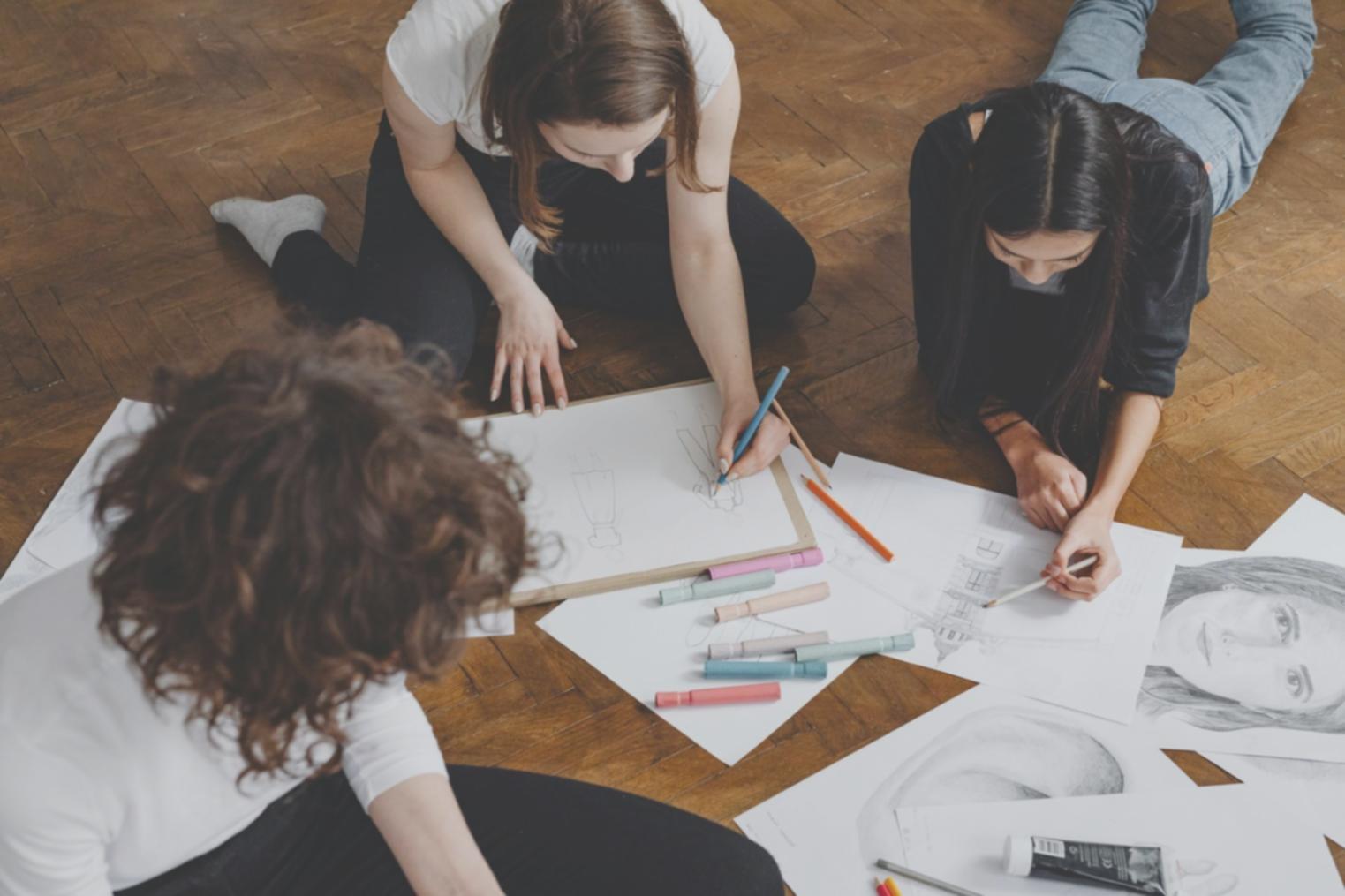
Rachel taught middle school art. She had a student, Marcus, who rarely engaged with assignments. He would sit quietly, do minimal work, and seem generally disconnected from the class.
During a parent-teacher conference, Rachel was doodling while listening to concerns from Marcus's mother. Without thinking much about it, she sketched a quick portrait of the woman as they talked. When the mother noticed, her entire demeanor changed. She asked if she could keep the drawing.
The next day, Marcus approached Rachel before class. His mom had shown him the sketch. He asked if Rachel could teach him to draw like that.
A Different Kind of Teaching
Rachel started staying after school twice a week to work with Marcus on portrait drawing. No formal curriculum, just practical instruction. How to see proportions, how to capture likeness, how to use shading to create dimension.
Marcus was focused in these sessions in a way he never was during regular class. He practiced constantly, filling sketchbooks with faces. His regular classwork remained minimal, but his portraits improved rapidly.
Three months in, Marcus asked if he could draw portraits of other students for a school fundraiser. Rachel helped him set it up. He offered simple pencil portraits for ten dollars each, with proceeds going to the art department.
What Actually Mattered
Marcus drew over thirty portraits during that fundraiser. He was engaged, focused, and proud of his work. Other teachers noticed the change. He started participating more in classes, not just art.
The portraits gave him something he was genuinely good at. That competence carried over into other areas. His grades improved, not dramatically, but noticeably.
Rachel realized she had stumbled onto something. Portrait drawing was accessible enough that students could see real improvement quickly, but challenging enough to stay engaging. She started incorporating more portrait work into her curriculum.
Not every student responded like Marcus did. But enough students found something compelling in portrait drawing that it became a reliable way to engage kids who struggled with more abstract art concepts.
The portraits provided concrete goals, clear feedback, and visible progress. Students could see themselves improving, which mattered more than grades or teacher approval.